Biomass energy is one of the oldest and most versatile forms of renewable energy available to humanity and yet it remains widely misunderstood. Far from being a primitive technology, modern biomass energy systems represent a sophisticated, carbon-conscious approach to generating electricity, heat, and fuel from organic materials that would otherwise go to waste. For institutions with access to organic waste streams, biomass can be a complementary pillar of a comprehensive renewable energy strategy.
What is Biomass Energy?
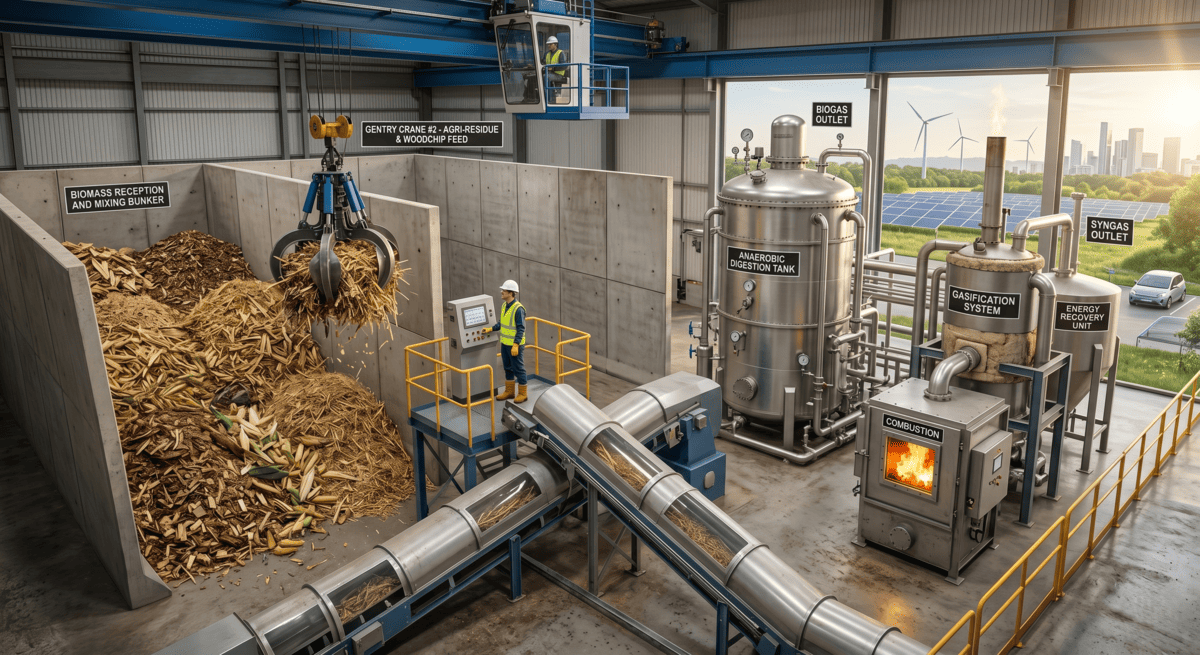
Biomass refers to any organic material derived from plants, animals or agricultural waste that can be used as a fuel source. This includes wood chips, crop residues, food waste, animal manure and purpose-grown energy crops. When biomass is combusted, gasified, or converted via anaerobic digestion into biogas, the stored chemical energy is released and can be used to generate electricity and heat. The key principle distinguishing biomass from fossil fuels is the carbon cycle: the CO₂ released during biomass combustion is the same CO₂ that was absorbed by the plants during their growth, making biomass theoretically carbon-neutral when managed sustainably.
"In a circular economy, waste is not a problem to be disposed of it is a resource waiting to be harvested for energy."
Modern biomass gasification systems are particularly exciting for institutions with consistent waste streams. Gasification converts solid organic material into a combustible gas mixture (syngas) at high temperatures, which can then power gas engines or turbines with minimal emissions. Hospital food waste, school canteen waste and commercial food processing by-products are all viable feedstocks for compact biogas generation units.
Biomass in the Context of Smart Energy Systems
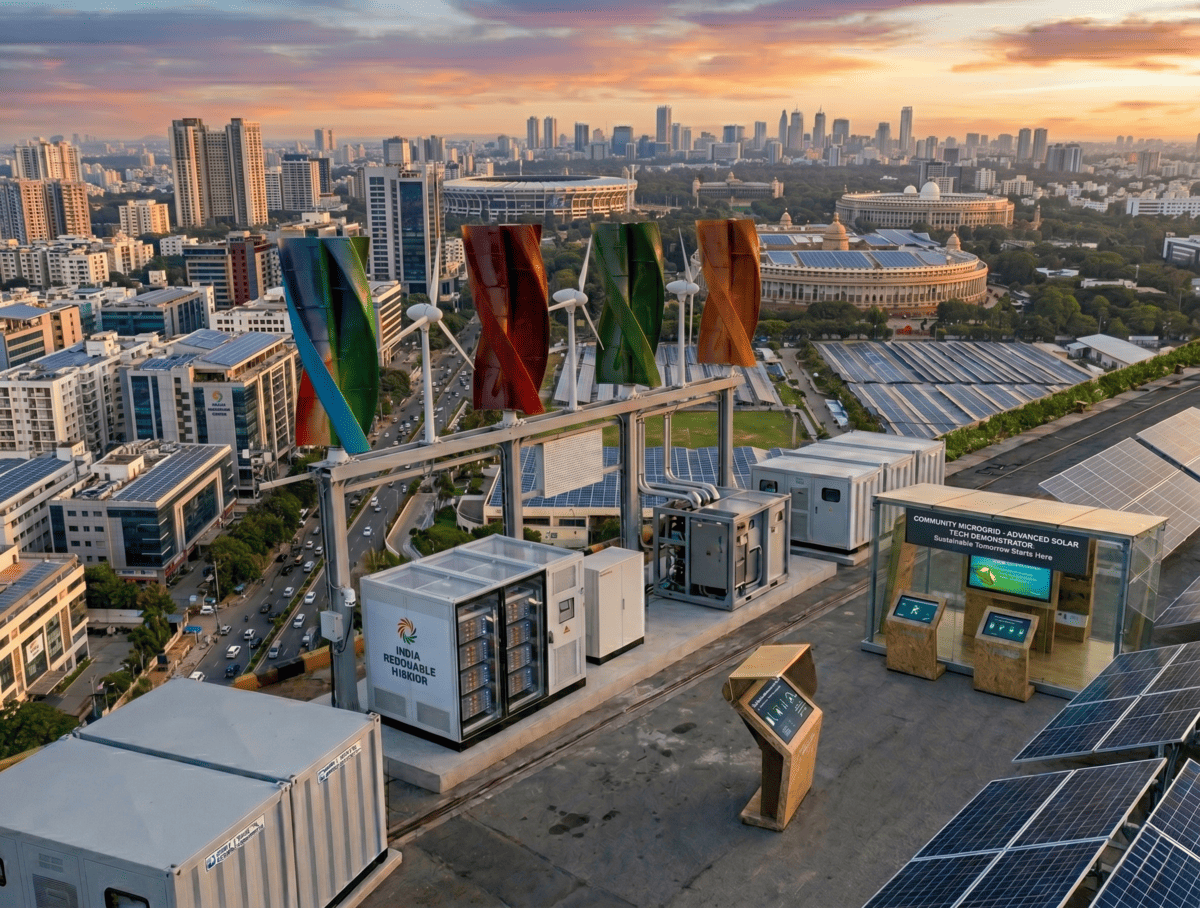
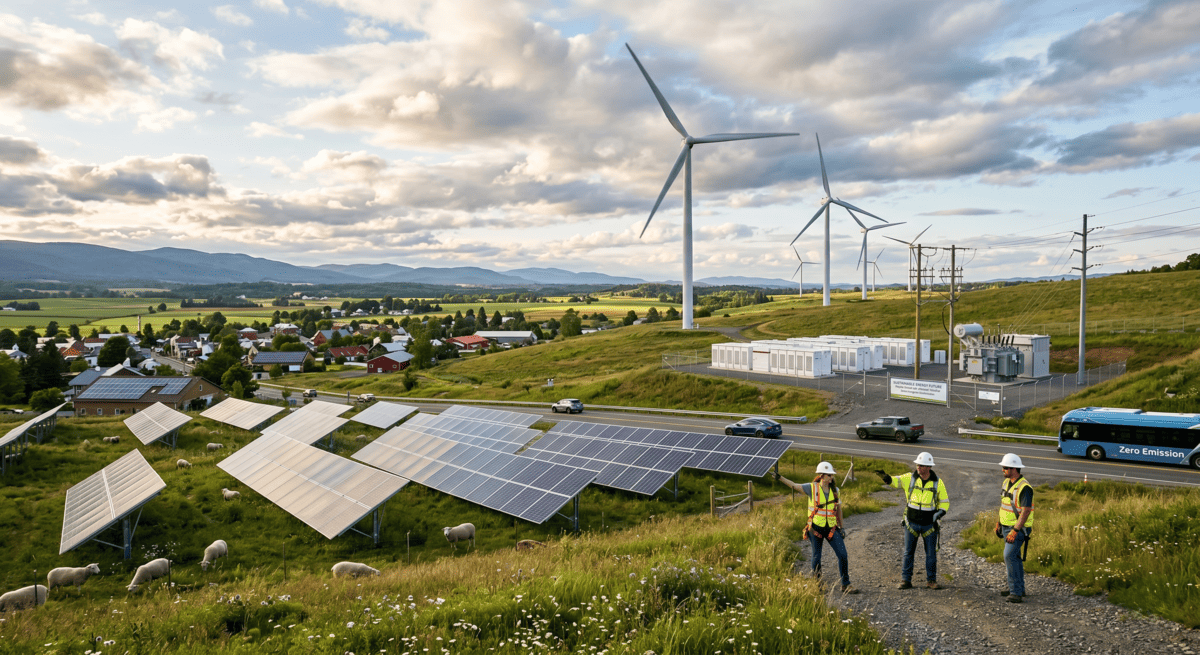
At Wolpaq, we view biomass not as a standalone solution but as a valuable component within a broader smart energy ecosystem. Pairing biogas generation with solar and wind hybrid systems creates a baseload renewable energy source that continues generating power even when the sun isn't shining and the wind isn't blowing. This dispatchable nature of biomass makes it uniquely valuable for institutions with stringent reliability requirements.
- Anaerobic digestion converting organic waste directly into biogas for power generation
- Biomass gasification delivering consistent baseload electricity from solid waste
- Carbon-neutral operation when biomass is sourced sustainably
- Integration with solar + wind hybrid systems for 24/7 renewable power supply
As India's institutions seek to meet ambitious sustainability targets and reduce dependence on grid power, biomass deserves serious consideration as part of the clean energy mix. With the right system design and waste stream assessment, biomass can transform an institution's organic waste from a disposal cost into a genuine energy asset.